
Thai Tea
Authentic Thai Tea
Products found: 13
 -10%
-10% T8 Matoom Herbal Tea (Respiratory System Treatment)
$10.35 $11.50
5.0 (28)
 -10%
-10% T15 Lemongrass Herbal Tea (Stress Relief & Digestive System Treatment)
$9.46 $10.51
4.8 (22)
 -10%
-10% T5 Roselle Herbal Tea (C Vitamins)
$8.71 $9.68
5.0 (16)
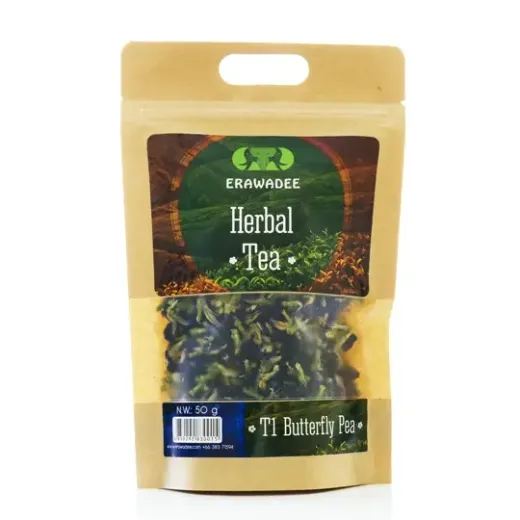 -10%
-10% T1 Butterfly Pea Herbal Tea
$12.23 $13.59
4.9 (11)
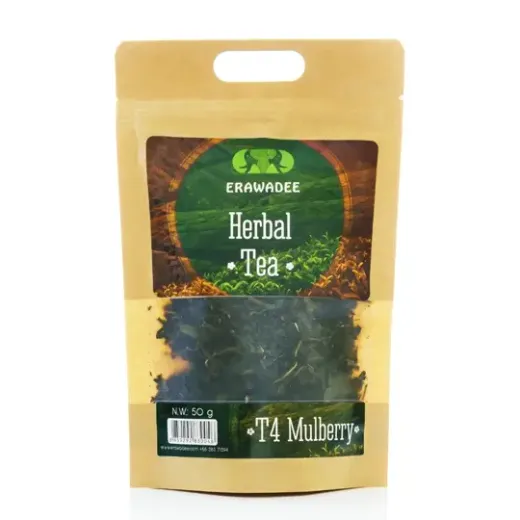 -10%
-10% T4 Mulberry Herbal Tea (Diabetes Treatment and Weight Loss)
$9.80 $10.89
4.7 (7)
 -10%
-10% T18 Gia Koo Lan Herbal Tea (Anti-Aging Antioxidant)
$18.23 $20.25
5.0 (5)
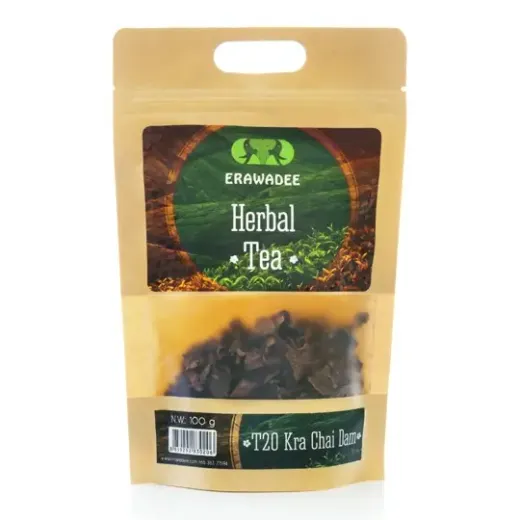 -10%
-10% T20 Kra Chai Dam Herbal Tea (Fatigue and Drowsiness Treatment)
$15.46 $17.17
4.6 (5)
 -10%
-10% T6 Lingzhi Herbal Tea (Ultimate Health Improvement)
$15.25 $16.94
5.0 (4)
 -10%
-10% T3 Maroom Herbal Tea (Vitamins, Macro and Micro Elements)
$16.34 $18.15
5.0 (4)
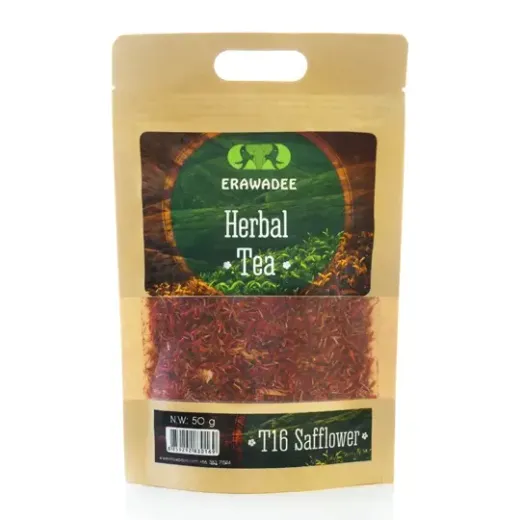 -10%
-10% T16 Safflower Herbal Tea (Heart and Pelvic Organs Treatment)
$14.51 $16.13
5.0 (3)
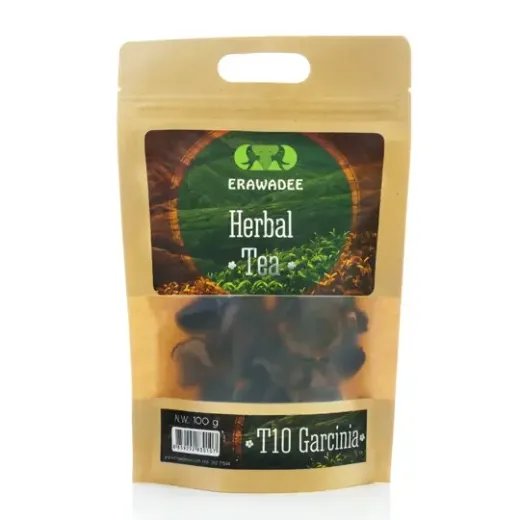 -10%
-10% T10 Garcinia Herbal Tea (Weight Loss & Management)
$14.16 $15.73
5.0 (3)
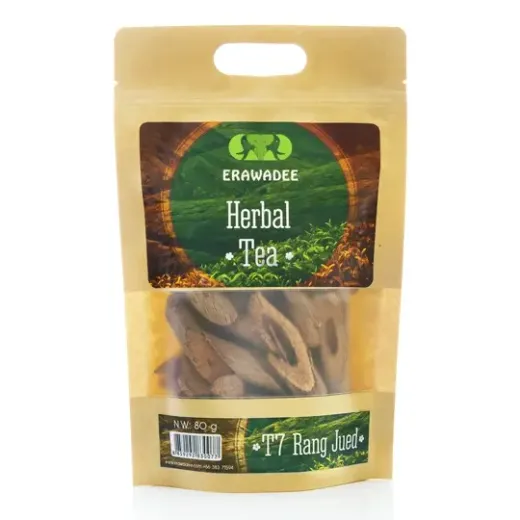 -10%
-10% T7 Rang Jued Herbal Tea (Any Toxins Release)
$7.43 $8.25
5.0 (1)
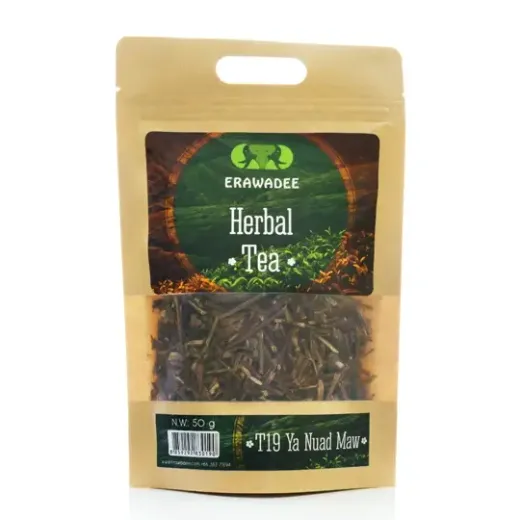 -10%
-10% T19 Ya Nuad Maw Herbal Tea (Rolithiasis and Gout Treatment)
$9.79 $10.88
5.0 (1)
Blue Anchan Tea: What it is and Why the Infusion is Blue
Blue Anchan tea, lemongrass, safflower, Gynostemma, and Bael fruit — discover 15 Thai herbal teas in this section. These are not tea leaves, but rather flowers, leaves, and fruits of tropical plants, so the infusions are caffeine-free.
Anchan is an infusion of dried butterfly pea flowers (Clitoria ternatea), also known as butterfly pea tea. This same drink is also sought after as blue, emerald, or purple tea: it's all from the same plant, not different varieties. The color comes from anthocyanins — natural pigments, not artificial dyes. Brew 5–8 flowers per 200–250 ml cup with 90–95 °C water and steep for 3–5 minutes; the longer the steeping, the deeper the blue. The taste is almost neutral, with a light herbal note.
Which Thai Tea to Choose
- First Thai Tea — Anchan T1: spectacular color and neutral taste.
- After Meals and in the Evening — Lemongrass T15 (Cymbopogon citratus) or Bael Fruit T8 (Aegle marmelos) with a baked apple flavor.
- Everyday — Jiaogulan T18, also known as Gynostemma pentaphyllum (Gynostemma pentaphyllum): a mildly sweet taste without sugar.
- Tart and Bright — Roselle T5 (Hibiscus sabdariffa) or Safflower Tea T16 (Carthamus tinctorius) with a honeyed undertone.
Frequently Asked Questions
Why does blue tea change color with lemon?
The anthocyanins in Clitoria act as a pH indicator: a few drops of lemon juice will turn the infusion lilac, then pink. The taste changes minimally. Alkaline mineral water, conversely, shifts the color towards green.
How to brew Anchan cold?
Pour room-temperature water over the flowers and refrigerate for 3–4 hours: the color will remain vibrant and clear. The flowers can be re-steeped for a lighter second infusion.
Blue Anchan Tea — benefits and considerations?
In Thai tradition, it is consumed as a daily beverage and is associated with supporting vision, skin, and hair. This is a beverage, not a treatment for diseases; a reasonable amount is 1–3 cups per day. For pregnancy, breastfeeding, or if taking anticoagulants, consult a doctor.
Where to buy Anchan tea?
International shipping available.
See also: immunity support and Thai traditional medicine.
Dietary supplements are not medicines and do not replace medical consultation. Please read the instructions and contraindications before use.