Turmeric & Curcumin: 10 Evidence-Informed Benefits, Uses & Dosage
Turmeric (Curcuma longa) is a golden-yellow spice from the ginger family, grown across tropical Asia and known in Thailand as kamin chan. Beyond the kitchen, it has been used for centuries in Indian, Chinese and Thai traditional medicine — and modern science is now catching up with that reputation.
What is turmeric and curcumin?
Turmeric is the rhizome (underground stem) of the Curcuma longa plant, prized for the deep colour and warm flavour it gives curries and rice. Its most studied active compound is curcumin, a polyphenol responsible for much of turmeric's antioxidant and anti-inflammatory activity. Historically, turmeric has been used across Asia to support skin, digestion and general resilience during times of stress.
Why absorption matters: turmeric and black pepper
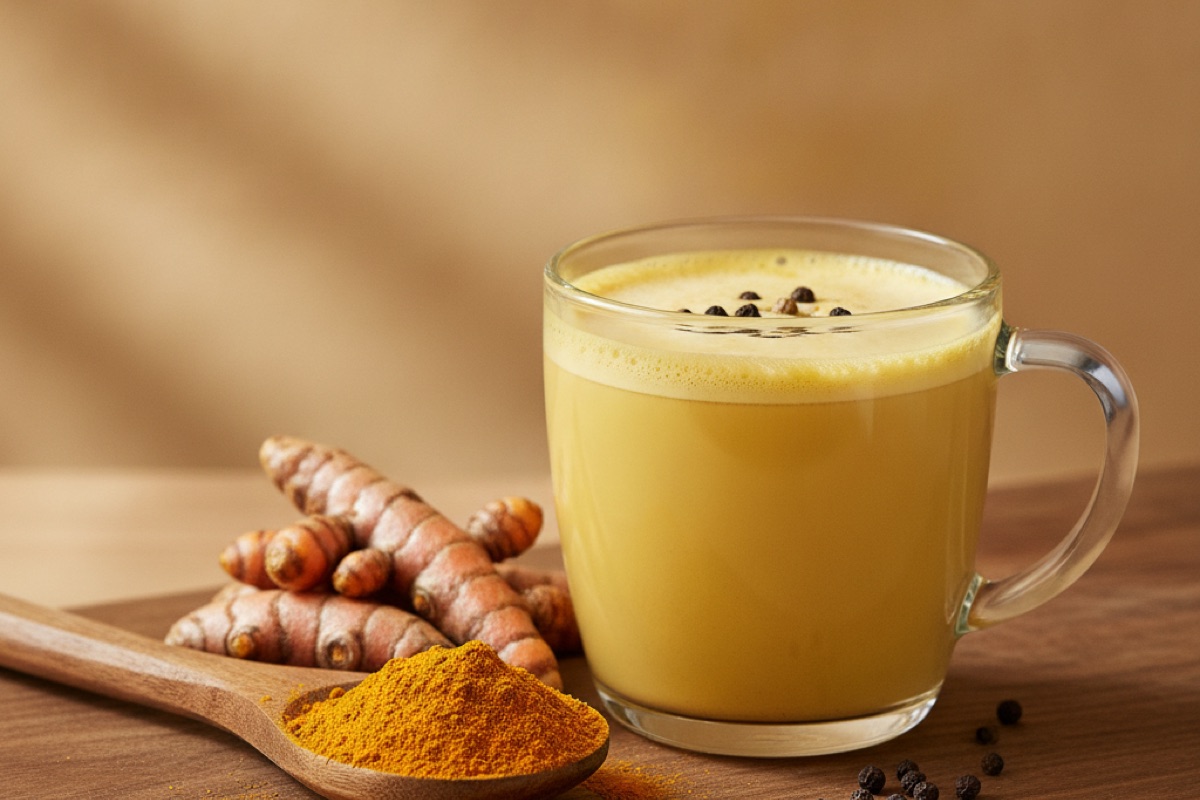
Here is the catch: curcumin makes up only around 3% of turmeric by weight, and it is poorly absorbed on its own. Two simple tricks dramatically improve its bioavailability. First, pairing turmeric with black pepper, which contains piperine, is reported to increase curcumin absorption many times over. Second, because curcumin is fat-soluble, taking it alongside a meal that contains some fat helps your body take it up. This is why good turmeric supplements so often include black pepper extract.
10 evidence-informed benefits of turmeric
1. A natural anti-inflammatory
Short-term inflammation is essential for healing, but chronic low-grade inflammation is now linked to many long-term health conditions. Curcumin is one of the most researched natural compounds for helping the body manage inflammation, though meaningfully high, well-absorbed doses appear to matter.
2. Strong antioxidant activity
Oxidative damage from free radicals is one driver of ageing and cellular wear. Curcumin has antioxidant properties of its own and may also support the activity of your body's own antioxidant defences, according to laboratory and animal studies.
3. May support brain-derived neurotrophic factor (BDNF)
BDNF is a protein involved in keeping neurons healthy and forming new connections, and low levels are associated with mood and memory concerns. Animal research suggests curcumin may help raise BDNF, which is one reason it is being explored for brain health.
4. May support heart and circulatory health
Studies point to curcumin's role in supporting the function of the endothelium, the lining of your blood vessels, which helps regulate blood pressure and circulation. Its anti-inflammatory and antioxidant actions are thought to contribute to overall cardiovascular wellbeing.
5. Traditionally used to soothe the stomach
In Thai and Ayurvedic tradition, turmeric has long been taken to support digestion and settle the stomach. Some people use it as a gentle daily tonic for gut comfort, ideally taken with food.
6. May ease joint discomfort
Because curcumin helps the body manage inflammation, it is widely studied for everyday joint comfort and stiffness. Several trials have reported improvements in joint symptoms, making it a popular choice for people who stay active.
7. Skin and complexion support
Turmeric's antioxidant profile explains its traditional use in masks and pastes across South and Southeast Asia to support a clear, healthy-looking complexion.
8. Explored for brain ageing
Curcumin is being researched for healthy brain ageing, in part because it can cross the blood–brain barrier and because oxidative stress and inflammation are involved in age-related cognitive decline. Research here is still early and ongoing.
9. Studied for mood
Small controlled studies have explored curcumin for supporting a balanced mood, sometimes alongside its possible effect on BDNF and neurotransmitters. Findings are promising but preliminary, and turmeric should never replace prescribed treatment.
10. A cornerstone of everyday wellness cooking
Perhaps the most reliable benefit is the simplest: adding turmeric to your cooking is an easy, delicious way to enjoy a spice with a long tradition of use, especially when combined with black pepper and a little oil.
How to take turmeric and dosage
You can enjoy turmeric several ways: as a culinary spice, as golden milk, or as a standardised curcumin supplement. Most studies use concentrated curcumin extracts because the amount in food is relatively small. If you choose a supplement, follow the dosage on the label, pick one that includes black pepper (piperine) for absorption, and take it with a meal containing some fat. Start at the lower end and see how you feel.
Who should avoid turmeric and precautions
Turmeric is generally well tolerated as a food, but concentrated supplements deserve care:
- It may act on blood clotting, so avoid high-dose supplements before surgery and speak to your doctor if you take blood thinners.
- It can stimulate bile flow, so those with gallstones or bile-duct problems should be cautious.
- If you are pregnant or breastfeeding, keep to normal culinary amounts unless your doctor advises otherwise.
- Very high doses can cause mild stomach upset in some people.
Herbal supplements are intended to support general wellbeing and are not a substitute for professional medical advice; check with a healthcare professional before starting anything new, especially if you take medication or manage a health condition.
Frequently asked questions
What are the main benefits of turmeric?
Turmeric and its active compound curcumin are best known for antioxidant and anti-inflammatory support, and are traditionally used for joint comfort, digestion, skin and overall wellbeing. Most research uses concentrated curcumin extracts.
How do I take turmeric for best absorption?
Take it with black pepper and a source of fat. Piperine in black pepper greatly increases curcumin absorption, and because curcumin is fat-soluble, a little oil or a meal helps too.
Does turmeric have side effects?
In food amounts it is very safe. High-dose supplements may cause mild stomach upset and can affect blood clotting and bile flow, so caution is needed around surgery, gallstones and blood-thinning medication.
How much turmeric should I take per day?
There is no universal dose. Follow the instructions on your chosen product, start low, and take it with food. Concentrated curcumin extracts are used because ordinary cooking provides relatively little.
Can I just use turmeric from cooking?
Culinary turmeric is a wonderful everyday habit, but the curcumin content is low. To reach the amounts used in research, most people choose a standardised supplement with black pepper.
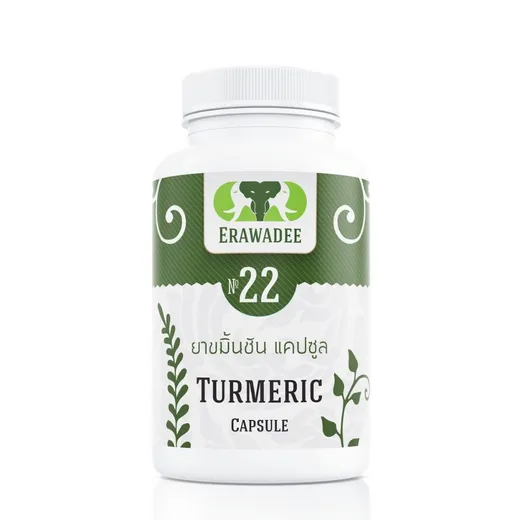
Try turmeric from Erawadee: No.22 Kamin Chan (pure Thai turmeric) and our turmeric-infused Organic Herbal Soap for glowing skin.