
Centella Asiatica (Gotu Kola): Benefits, Uses & Dosage
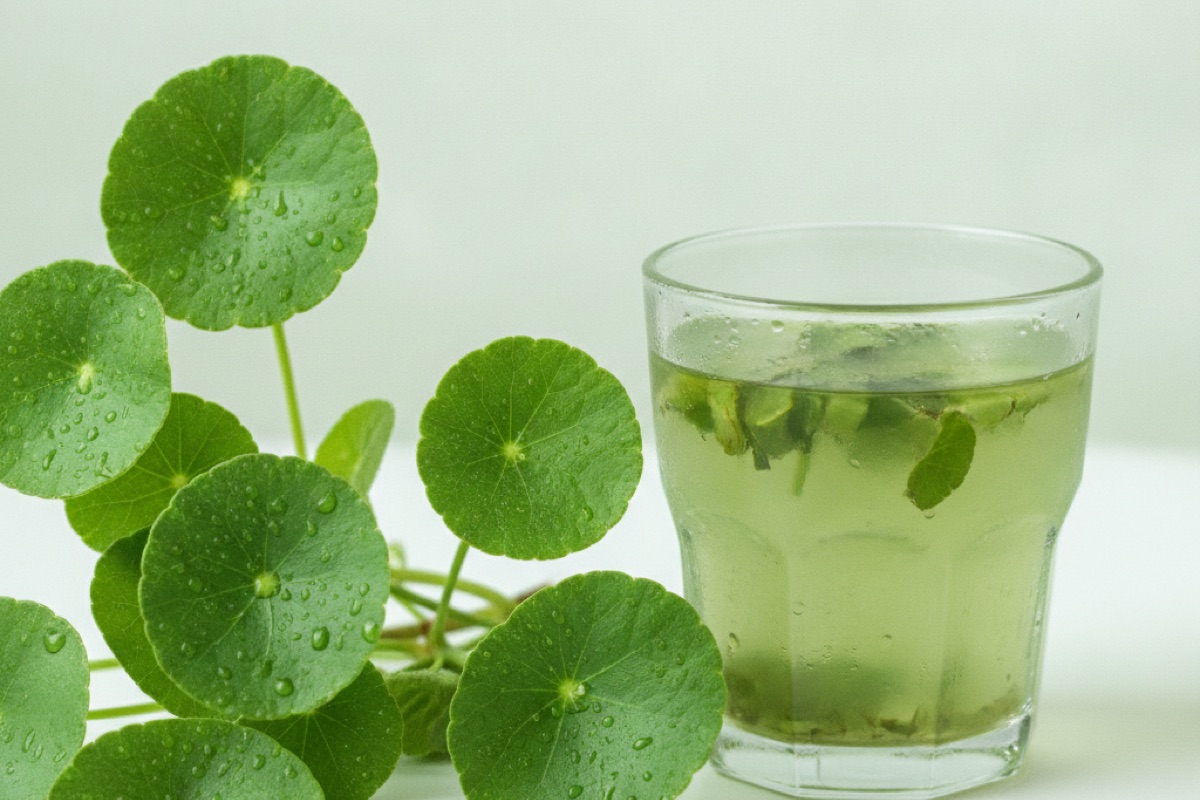
Centella asiatica — known as gotu kola in the West and bua bok in Thailand — is often called the "herb of longevity." A staple of traditional Thai, Chinese and Ayurvedic medicine, this small leafy plant has been used for generations to support the mind, the skin and healthy circulation, and a growing body of research is beginning to explain why.
What is centella asiatica (gotu kola)?
Centella is a low-growing marshland herb whose rounded leaves have been eaten and brewed as a tonic across Asia for centuries. In Thai cuisine and folk medicine, bua bok is valued as a cooling, restorative plant. Its traditional reputation centres on "brain food" — supporting memory and mental clarity — alongside uses for skin, wound care and circulation.
Key benefits of gotu kola
1. Cognitive support and memory
Gotu kola's best-known traditional use is supporting the mind. In one small study comparing centella extract with folic acid in people recovering after a stroke, gotu kola was found to be particularly helpful for the memory domain of cognition. Other research has observed cognitive benefits at doses in the region of 750–1000 mg per day, though larger trials are still needed.
2. Mood, stress and anxiety
Centella has traditionally been used as a calming tonic. A review of research including people with generalised anxiety reported reductions in stress, anxiety and low mood after taking centella over a period of weeks. Animal studies point to a soothing effect after sleep deprivation, which is linked to stress and oxidative strain on the body.
3. Circulation and reduced swelling
One of centella's most studied uses is supporting healthy veins and circulation. Research on people prone to fluid retention and ankle swelling during long flights found that those taking centella experienced significantly less swelling. Earlier studies also suggest it may support people with varicose veins, possibly by acting on the connective tissue of the vessel walls.
4. Wound healing and skin
Centella is a celebrated skincare ingredient — the "cica" in many creams. Research on wound dressings containing gotu kola has observed a supportive effect on several types of wounds, and its compounds are thought to encourage the skin's own repair and collagen processes. This is why it appears so often in soothing balms, masks and serums.
5. Joint comfort
Thanks to its anti-inflammatory properties, gotu kola has been studied for everyday joint comfort. In animal research, oral centella was associated with reduced joint inflammation, and its antioxidant action was linked to broader support for the body's defences.
6. Restful sleep
Because it is traditionally used to ease stress, anxiety and low mood, some people turn to gotu kola to support restful sleep. It is sometimes considered a gentler alternative for occasional sleeplessness that accompanies a busy, stressed mind.
How to take gotu kola and dosage
Gotu kola is available as capsules, extracts, teas and topical creams. In traditional and study use, oral doses commonly fall around 500 mg once or twice daily, with some sources going higher for short periods — always follow the instructions on your specific product. A common approach is to take it in cycles of two to six weeks, followed by a two-week break before resuming. For skin, creams containing centella extract are applied directly to the area. Start low and build up gradually to reduce the chance of side effects.
Side effects and who should avoid gotu kola
Gotu kola is generally well tolerated. Occasionally it may cause headache, stomach upset or dizziness, and starting at a low dose helps minimise this. Applied to the skin, it can rarely cause irritation, so a patch test is wise before wider use. Because herbs are not tightly regulated, choose products from reputable, clean sources.
Avoid gotu kola, or speak to your doctor first, if any of the following apply:
- pregnancy or breastfeeding
- liver disease, including hepatitis
- a scheduled surgery within the next two weeks
- you are under 18
- you take sedatives, sleep aids or diuretics
- you manage diabetes or high cholesterol
Herbal supplements are intended to support general wellbeing and are not a substitute for professional medical advice. If you experience any unusual or lasting side effects, stop use and consult a healthcare professional.
Frequently asked questions
What is gotu kola used for?
Gotu kola (centella asiatica) is traditionally used to support memory and mental clarity, a calm mood, healthy circulation and the skin. It is a well-known ingredient in soothing "cica" skincare.
How much gotu kola should I take?
Studies often use around 500 mg once or twice daily, and cognitive research has looked at 750–1000 mg per day. Follow your product's label, start low, and consider taking it in cycles with breaks.
Does gotu kola have side effects?
It is usually well tolerated but may occasionally cause headache, stomach upset or dizziness. On the skin it can rarely cause irritation, so do a patch test first.
Who should not take gotu kola?
Avoid it if you are pregnant or breastfeeding, have liver disease, are due for surgery, are under 18, or take sedatives or diuretics — and check with your doctor if you manage diabetes or high cholesterol.
Can gotu kola be used on the skin?
Yes. Centella is a popular topical ingredient for soothing and supporting the skin's natural repair. Apply a cream containing centella extract to the area and always patch-test first.
Try centella from Erawadee: No.17 Bua Bok (Centella asiatica) and the No.55 Power of 5 Herbs wellness blend.

